The Hidden Cost of "Auditory Fatigue": Why Noisy Environments Are Draining Your Energy
In today’s noisy world, your ears are constantly working overtime. If you find yourself exhausted after a simple dinner with friends or struggling with persistent background sounds, you might be experiencing "Auditory Friction."
By David Reynolds
Health Researcher & Contributor | Updated 2 hours ago
"I could hear people talking, but picking out the words and filtering the ringing background noise became exhausting."
Many adults report a noticeable drop in auditory stamina as they age.
Do you ever feel like the volume of the world is turned up too high? That feeling of exhaustion after a social gathering or a day at the office isn’t just normal tiredness; it’s what experts are beginning to call "Auditory Fatigue."
For Thomas Vance, a 54-year-old architect, this friction was becoming a serious roadblock to his quality of life.
"I could hear the physical sounds fine, but the mental cost of trying to focus on a conversation—while dealing with a constant, distracting hum in my own ears—was getting higher every day," Thomas says. "I didn't just want quiet; I wanted clarity."
What surprised him most was learning that everyday factors — commonly ignored — have been studied for their potential link to long-term auditory stress and the degradation of delicate inner ear cells.
3 Hidden Factors Researchers Say May Impact Ear Health Over Time:
1. Poor Micro-Circulation
The tiny hair cells inside your inner ear rely on robust blood flow to function properly. When circulation drops, these cells struggle to process sound efficiently, often leading to phantom noises.
2. Oxidative Stress
Everyday exposure to environmental pollutants, loud sudden noises, and even poor diet can create free radicals that stress the auditory nerve over time.
3. Hidden Nutrient Gaps
Modern diets often lack the specific trace minerals—like Magnesium and Zinc—that are essential for maintaining the health of the nervous system pathways connecting the ear to the brain.
While no single factor determines auditory health on its own, researchers increasingly emphasize that nourishing the inner ear plays a meaningful role in maintaining auditory clarity as we age.
The Science of Auditory Support
Modern research suggests that peak auditory performance depends on more than just avoiding loud noises. To maintain a state of clear, comfortable hearing, your system requires two biological foundations:
- Cellular Nourishment: Providing the specific precursors the auditory nerve needs to transmit sound signals smoothly without "static."
- Circulatory Resilience: Supporting the body's natural ability to deliver oxygen-rich blood to the microscopic structures of the inner ear.
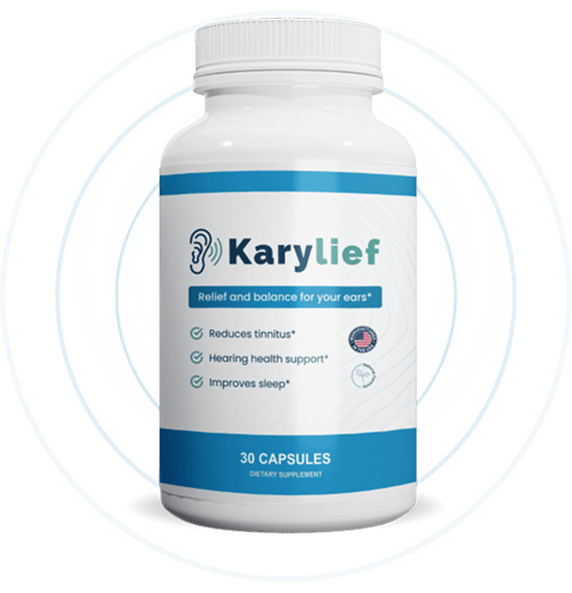
Karylief: Engineering Auditory Wellness
Unlike standard approaches that simply tell you to "learn to live with it," Karylief takes a foundational approach. It is designed to nourish the internal environment of the ear, supporting long-term auditory resilience and daily comfort.
Karylief Ingredients:
- Ginkgo Biloba Extract: A renowned botanical that helps support healthy blood circulation, ensuring the delicate inner ear receives the oxygen it needs.
- Alpha-Lipoic Acid (ALA): Acts as a neuroprotective antioxidant, reducing neural inflammation.
- Vitamin B Complex (B1, B2, B6, B12): Vital for nerve repair and brain function
- Zinc: Essential mineral known to support cochlear (inner ear) health
- Melatonin: Regulates sleep cycles and improves sleep quality disrupted by tinnitus
"I Finally Enjoy Quiet Evenings Again"
After 30 days of including Karylief in his morning routine, Thomas noticed a profound shift in his comfort levels.
"It wasn’t an overnight magic trick; it was more like the annoying background static finally started to fade," Thomas explains. "I stopped feeling overwhelmed at family dinners. I can actually focus on the person sitting across from me. I’m finishing my day feeling relaxed instead of totally drained by auditory fatigue."
Invest in Your Auditory Health
Karylief is crafted with premium, lab-verified ingredients to ensure maximum bioavailability. Our formula is free from synthetic fillers, providing clean, gentle support for your ears when they need it most.
Limited Time Offer For Our Readers
Claim your supply of Karylief™ and save up to 44% + Free Shipping.
60-Day Money Back Guarantee applied to all orders.
Recent Comments
I was skeptical, but the botanical blend in this is the real deal. The constant distraction feels much less intrusive now.
Conversations in busy restaurants are much less exhausting. It feels nice to finally have some nutritional support for my ears.
